October 13, 2025
Earlier this month, the LGBTQ+ movement lost one of its icons and trailblazers. Miss Major Griffin-Gracy, known as Miss Major, or more affectionately as “Mama,” passed away on October 13 at the age of 78 in Little Rock, Arkansas. Known by many for her involvement in the Stonewall uprising, Miss Major led a life of activism that knew no bounds. As a Black trans woman, she faced discrimination, violence, and incarceration, yet she transformed her experiences into a lifelong fight for justice. She tirelessly advocated for the decriminalization of sex work, harm reduction for drug users, and the abolition of the prison industrial complex. She understood that true liberation doesn’t leave anyone out.
Born and raised in Chicago, Miss Major was disowned by her family at 13 and turned to sex work to survive. In New York City, she found belonging among drag performers, sex workers, and other queer outcasts. The Stonewall Inn was one of the few places where she felt welcome, and on the night of June 28, 1969, she stood on the front lines as patrons resisted yet another police raid. A police officer struck her unconscious, but the uprising that followed sparked the modern LGBTQ+ rights movement and helped define her lifelong commitment to resistance.
Her activism was deeply shaped by her experiences with incarceration. While imprisoned in New York’s men’s facilities, Miss Major met Frank “Big Black” Smith, a leader in the 1971 Attica Prison Uprising, who helped politicize her and solidify her commitment to collective liberation. Following her release, she began organizing to support formerly incarcerated trans women and founded programs that provided housing, healthcare, and community for those left behind by traditional social services.
Miss Major went on to serve as the original executive director of the Transgender Gender-Variant and Intersex Justice Project (TGIJP), supporting incarcerated trans women through advocacy, mentorship, and reentry services. Later, she founded The House of GG (Griffin-Gracy Educational Retreat and Historical Center) in Arkansas, a first-of-its-kind refuge for Black trans leaders to heal, rest, and rebuild. Through these spaces, she fostered generations of organizers and community members who lovingly called her “Mama.”
Miss Major’s impact extended far beyond any one movement. She showed the world that the struggles against transphobia, racism, criminalization, and poverty are inseparable and that none of us are free until all of us are free. Even in her later years, despite ongoing health challenges, she continued to travel across the country, meeting with young activists to remind them: “Don’t be complacent now … you’ve got to stand up and fight.”
As trans people, sex workers, and other marginalized communities continue to face criminalization and state violence, Miss Major’s legacy remains a powerful reminder that survival itself is an act of resistance.
Decriminalize Sex Work honors Miss Major’s extraordinary life and the movement she helped shape. Her spirit lives on in every act of defiance, every community built on care, and every fight for safety, dignity, and freedom.
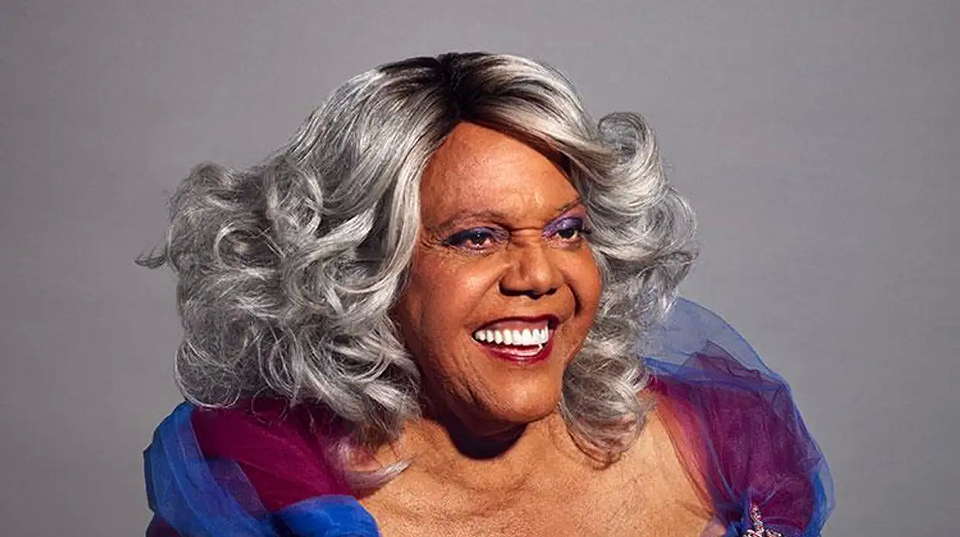
Miss Major courtesy of Out Magazine.
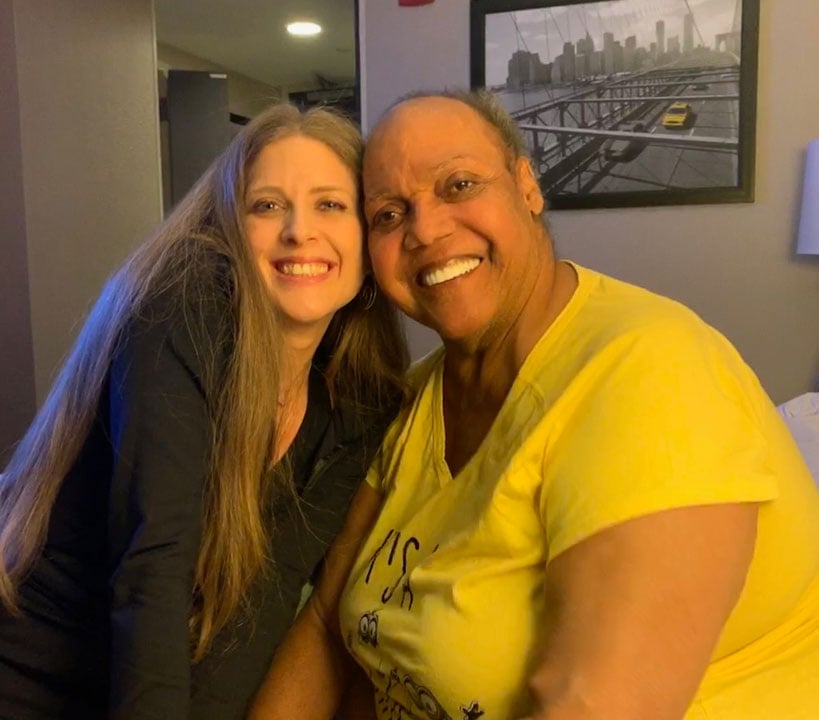
DSW Legal Director Melissa Broudo with Miss Major.
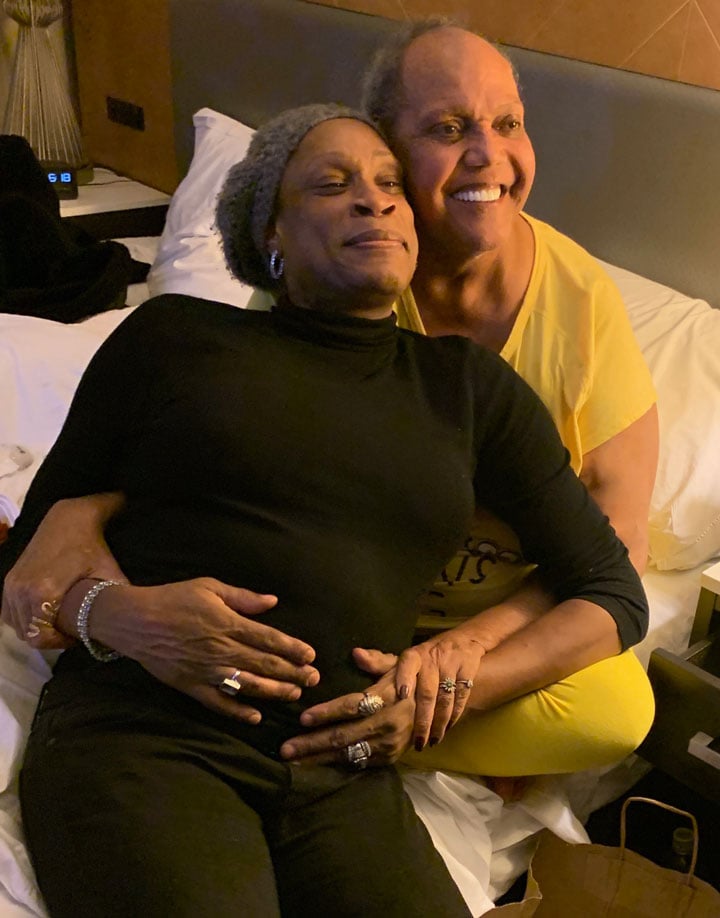
DSW Grantee Ceyenne Doroshow poses with Miss Major.
DSW Newsletter #67 (October 2025)
DSW Testifies in Support of Expanding the Definition of Police Sexual Violence in Massachusetts
DSW Adds Its Voice to the NYC Mayoral Candidates’ Debate on Decriminalization
Advocate Speaks Out in NH
Crackdowns on Massage Parlors Put Workers at Greater Risk
Remembering Miss Major-Griffin Gracy