
DSW Newsletter #67 (October 2025)
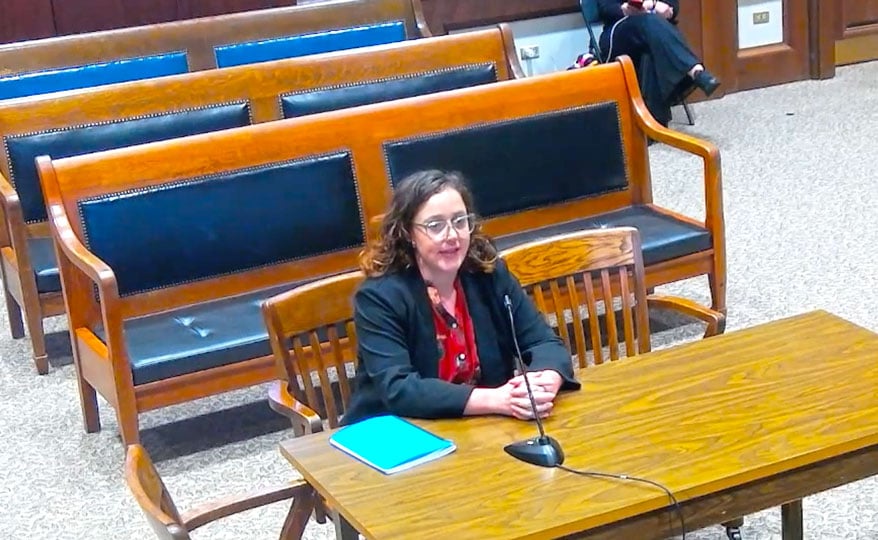
DSW Testifies in Support of Expanding the Definition of Police Sexual Violence in Massachusetts
September 25, 2025 Massachusetts law already prohibits sexual assault by law enforcement officers, but advocates say the current statute leaves room for ambiguity when it comes to coercion and abuse of...
Read More
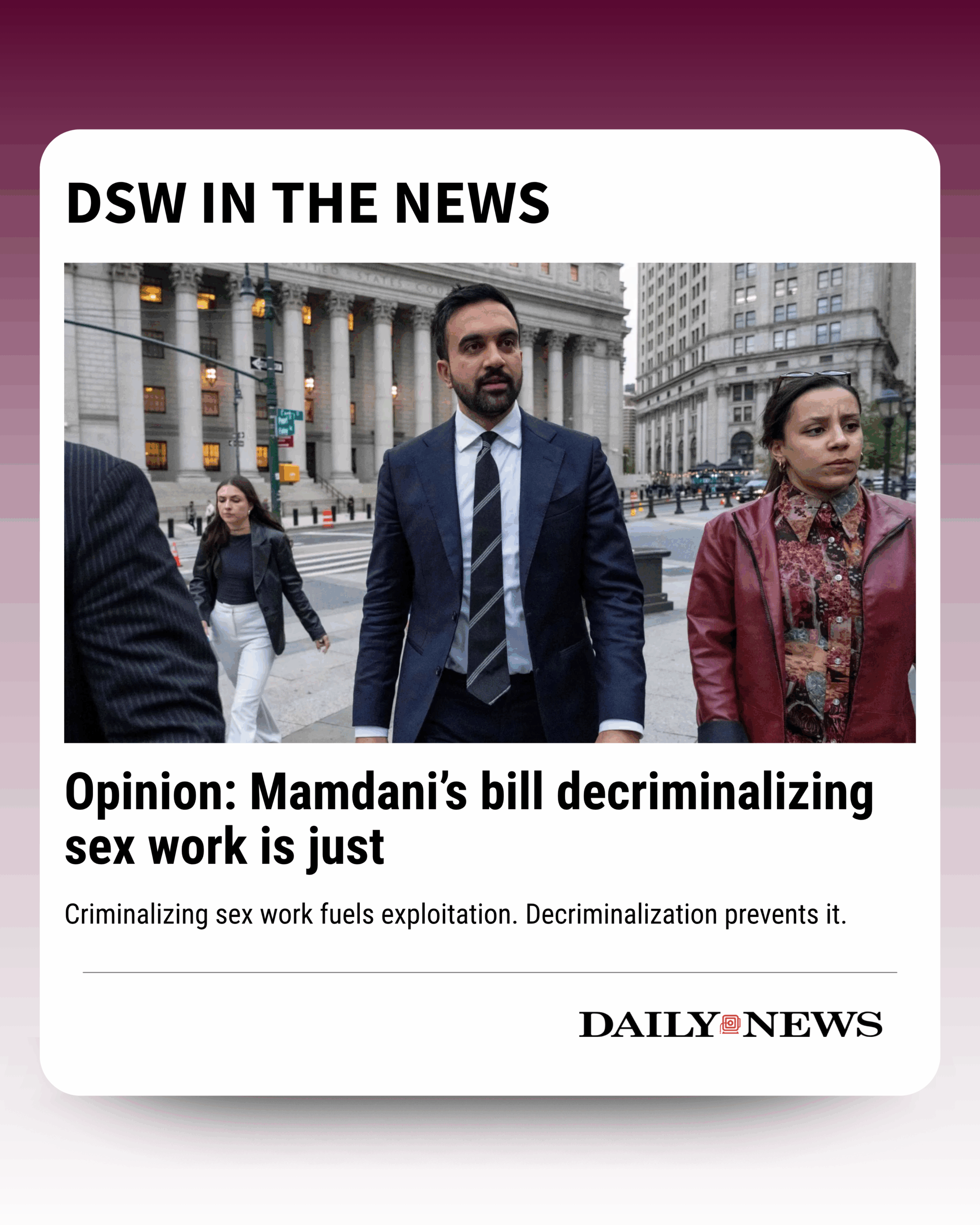
DSW Adds Its Voice to the NYC Mayoral Candidates’ Debate on Decriminalization
October 14, 2025 As the New York City mayoral race gains momentum, the decriminalization of consensual adult sex work has emerged as a central issue in the broader conversation about public...
Read More
Advocate Speaks Out in NH
October 27, 2025 In a powerful op-ed for NH Journal, Trisha Newalu, an advocate for the rights of sex workers and survivors of exploitation, argues the state’s current approach punishes victims...
Read More

Crackdowns on Massage Parlors Put Workers at Greater Risk
October 5, 2025 Across the United States, a new wave of laws targeting massage businesses is being promoted as a solution to human trafficking. Far from combatting trafficking, these enforcement-heavy efforts...
Read More
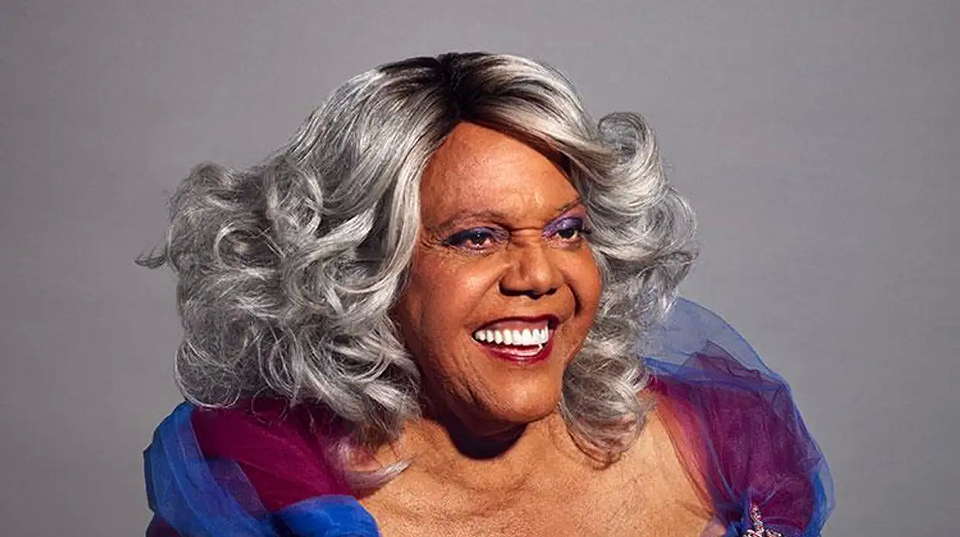
Remembering Miss Major-Griffin Gracy
October 13, 2025 Earlier this month, the LGBTQ+ movement lost one of its icons and trailblazers. Miss Major Griffin-Gracy, known as Miss Major, or more affectionately as “Mama,” passed away on...
Read More