March 24, 2026
DSW staff traveled to Rhode Island to testify in support of critical legislation to outlaw police sexual violence (PSV). House Bill 8272 would make it a felony for a law-enforcement officer to engage in sexual contact with a person who is being seized, detained, arrested, under investigation, or in custody while the officer is on duty. Laws like this are meant to address situations in which individuals under the authority of law enforcement might be vulnerable to exploitation.
Police sexual violence occurs when an officer engages in sexual contact with someone they encounter in the line of duty. Because law-enforcement officers inherently hold power over civilians, that authority can be used to coerce unwanted sexual contact. PSV is the second most prevalent form of police violence behind excessive force, yet it is widely underreported.
PSV laws are critical to protecting sex workers, survivors of trafficking, and other vulnerable communities. They are also an important tool for fostering trust between law enforcement and the communities they serve. Strong laws recognize that any sexual contact in the context of police authority is inherently coercive and should not be treated as consensual.
Rhode Island is one of only 16 states that does not have any law explicitly prohibiting sexual contact between law enforcement and people in their custody. Similar bills to H8272 have been introduced in past years, but this legislation is far more expansive. Many existing state laws only apply when a person is in custody. H8272 goes further by also covering people under investigation, reflecting a growing national trend toward stronger protections. States like Vermont, Colorado, and Maryland have already expanded their laws to prohibit sexual contact throughout the course of an officer’s duties, not just during custody.
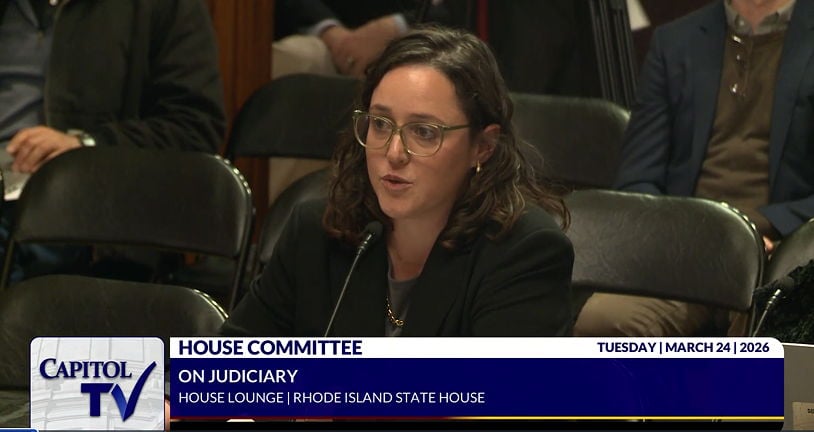
Staff Attorney Becca Cleary testified in support of H8272, providing her expertise as an attorney and policy analyst to the House Judiciary Committee. Chief Advocacy Coordinator Henri Bynx testified that PSV is the second most prevalent form of police violence, underscoring the urgency of passing comprehensive protections. Local advocates also submitted written testimony detailing personal experiences of victimization, reinforcing the real-world impact of these gaps in the law.
To learn more about police sexual violence laws and enacting effective laws, read DSW’s fact sheet.
DSW Staff Attorney Becca Cleary provides testimony in support of H8272.
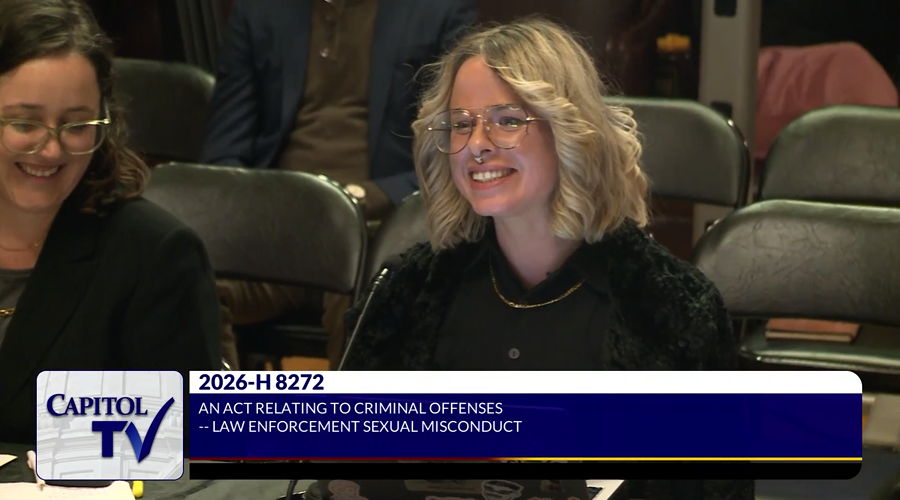
DSW Chief Advocacy Coordinator Henri Bynx testifies in support of H8272 in front of the House Judiciary Committee.
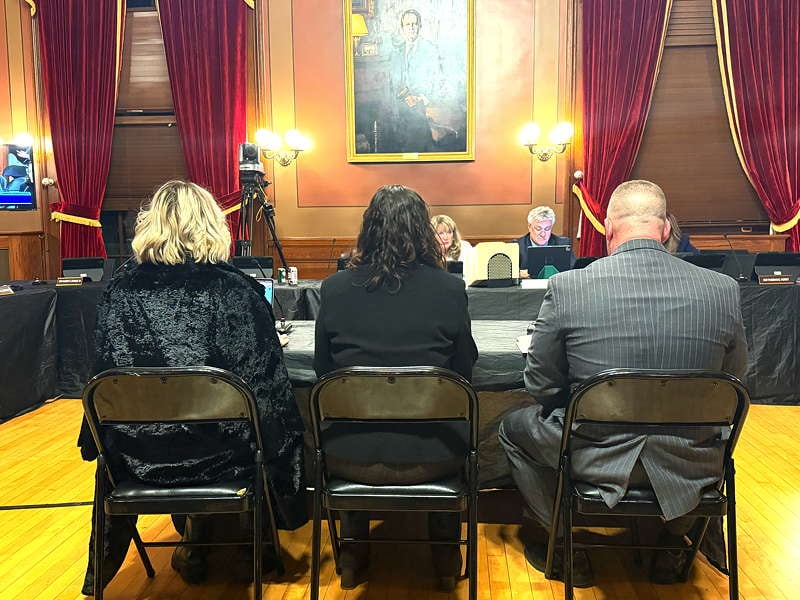
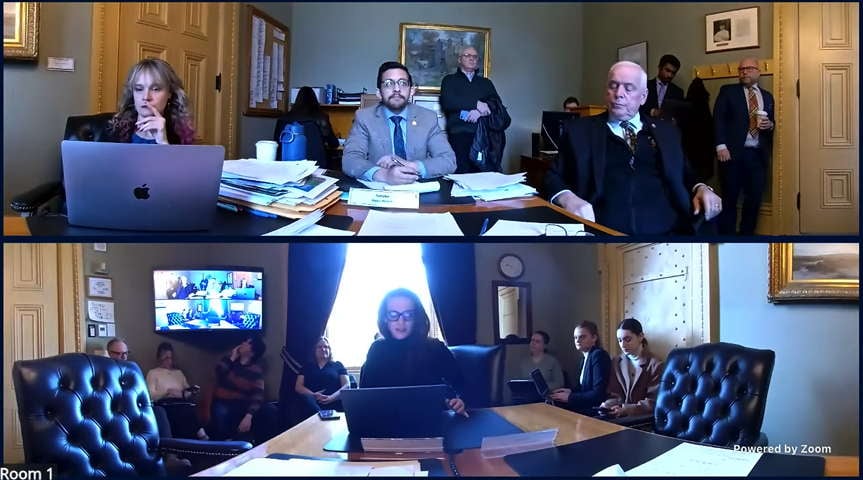
Rhode Island House Judiciary Committee listens to testimony on H8272
DSW Newsletter #72 (March 2026)
Vermont Senate Judiciary Hearing Advances the Conversation on Decriminalization
DSW Testifies in Support of Legislation Outlawing Police Sexual Violence in Rhode Island
Queens Case Highlights Urgent Need To Address Police Sexual Violence
DSW Builds Support in Rhode Island