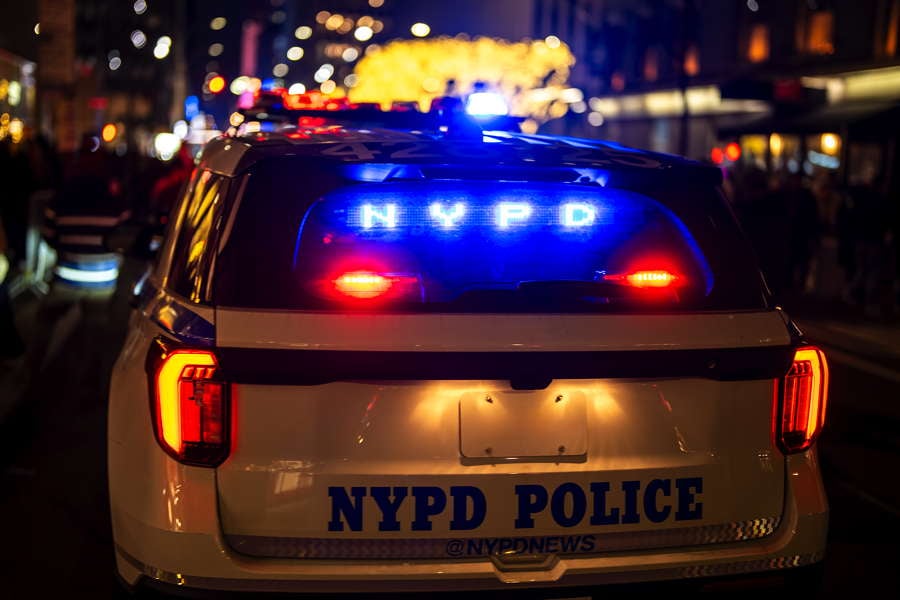
Recent news out of Queens has brought renewed and urgent attention to the issue of police sexual violence. Federal prosecutors have charged two former New York Police Department (NYPD) officers with, among other crimes, groping a woman in a brothel while on duty. The allegations are deeply disturbing, but they are not isolated. They reflect a broader pattern of abuse that too often goes unreported and unaddressed.
Police sexual violence (PSV) is widely recognized as one of the most common forms of police wrongdoing after excessive force, but the true scope of the problem remains difficult to measure because survivors frequently hesitate to come forward due to fear, stigma, and the very real power imbalance inherent in interactions with law enforcement. The authority officers hold over civilians, especially those who may already be vulnerable, can make accountability extraordinarily difficult to achieve. The International Association of Chiefs of Police itself has acknowledged that policing can create conditions where this kind of abuse occurs.
The case in Queens underscores the critical truth that when law-enforcement officers misuse their authority, consent becomes meaningless. Sexual assault is illegal in every state, yet in cases involving police, officers have sometimes claimed that their victims agreed to the encounter. But when one person has the power to arrest, detain, or otherwise control another’s freedom, consent is impossible.
This dynamic is particularly dangerous for people already at the margins. Research has shown that police sexual abuse frequently occurs during interactions with consensual adult sex workers and trafficking survivors. In these situations, officers can exploit criminalization, stigma, and the threat of arrest to coerce or pressure individuals into unwanted sexual acts. Whether someone is engaged in the sex trade by choice or through coercion, no one should be forced to navigate an encounter where refusing an officer could carry life-altering consequences of arrest.
Addressing police sexual violence requires more than reacting after harm has occurred. It demands clear, proactive legislation that removes any ambiguity about consent in law enforcement encounters.
In New York, S4404 (May) / A5399 (Hunter) would prohibit sexual contact between law enforcement officers and anyone who is a victim, witness, subject, or person of interest in an investigation. While current law bans sexual contact with people in custody, this legislation closes a critical loophole by extending protections to the many interactions that happen outside of formal detention.
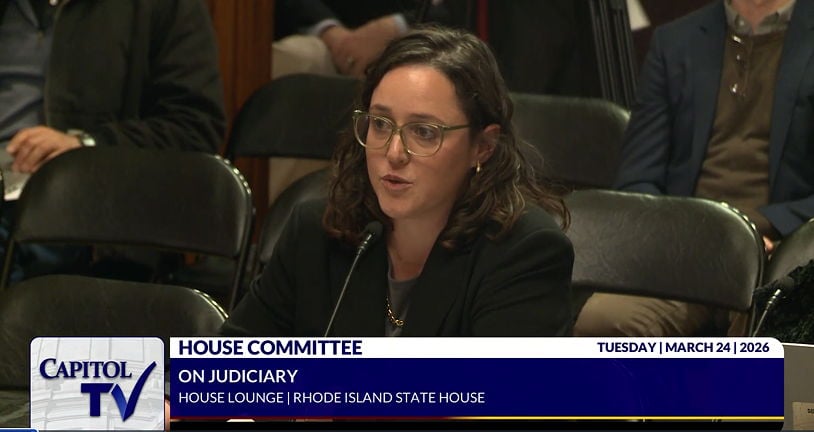
At the same time, Decriminalize Sex Work (DSW) is supporting similar legislation in Rhode Island, S.2157, to address police sexual violence and establish the same essential principle that consent cannot exist where there is an imbalance of power between police and civilians.
Together, these efforts reflect what cases like the one in Queens make clear. A badge carries enormous power and with that power must come firm, unambiguous limits. Protecting bodily autonomy, ensuring accountability, and strengthening public trust in law enforcement all begin with drawing that line.