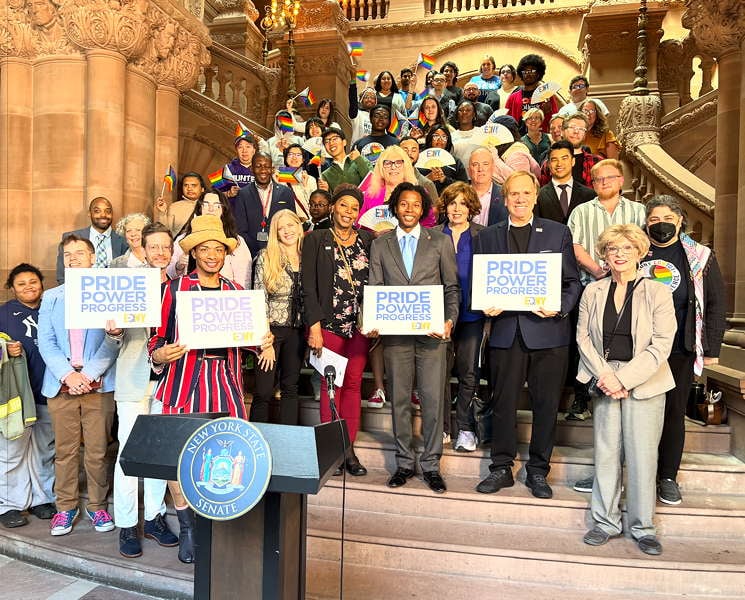
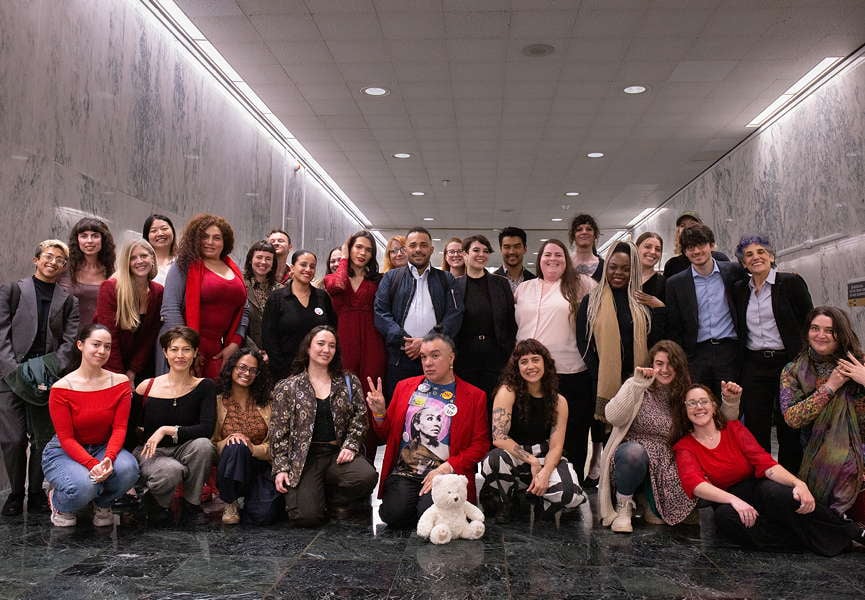
It’s nearly July, which means legislative sessions around the country have either concluded or are nearing adjournment. A session’s worth of legislation has now either failed, stalled in committee, or been signed into law. Last year, our legislative recap highlighted monumental victories in New York and Rhode Island spearhead by Decriminalize Sex Work (DSW) while also noting a troubling trend of bills that increase criminal penalties related to consensual adult activity.
This year, momentum for sex workers’ rights continued to grow in the Northeast and across the country. A record number of decriminalization bills (seven in total!) were introduced, including first-time decrim bills in Colorado and Wisconsin. Vermont also reached a historic milestone when S54 received its first-ever hearing before the Senate Judiciary Committee. The legislation, which would decriminalize consensual adult prostitution, has been introduced in the Vermont Senate since 2021.
Notably, states where DSW was not actively campaigning saw more harmful legislation enacted than states where DSW and its partners were organizing. In Vermont, advocates successfully defeated H623, a proposal to transition massage therapists from a registration system to a licensure system. DSW, along with other experts in the field, agree that criminalizing unlicensed massage fails to combat human trafficking while creating new barriers for marginalized communities. Conversations between advocates and lawmakers ultimately helped prevent the bill from advancing.
Below are some of the most notable laws enacted during the 2026 legislative session, including both positive reforms and harmful legislation. This recap focuses exclusively on state-level legislation and does not include federal policy developments.
Bills that Passed
Delaware H201
This legislation expands opportunities for trafficking survivors to clear criminal records connected to their victimization by allowing eligible convictions to be vacated.
Virginia expanded its writ of vacatur process for trafficking survivors, allowing a broader range of felony and misdemeanor offenses related to victimization to be vacated.
Colorado S124
The Colorado Survivors Justice Act allows survivors of domestic violence, sexual violence, and trafficking to seek alternative sentencing options and post-conviction relief when victimization contributed to the offense.
Maryland S937
The Fair Chance Housing Act limits housing discrimination based on criminal records and provides important protections for people with prostitution-related convictions seeking housing.
Harmful Bills That Passed
The following bills reflect a continuing trend toward increasing criminal penalties in response to concerns about prostitution and trafficking. DSW remains concerned about policies that raise fines, create felony-level offenses, expand sex offender registration requirements, or otherwise rely on criminalization rather than evidence-based solutions.
Increases penalties for both buying and selling sex, creates new fines that fund anti-trafficking initiatives, and elevates solicitation to a Class 6 felony.
Requires sex offender registration and mandatory jail time for individuals convicted of purchasing sexual activity after a second offense.
Raises fines for prostitution-related offenses.
Significantly increases fines for patronizing prostitution and mandates community service requirements.
South Carolina S235
A sweeping penalty enhancement bill that expands criminal liability related to prostitution and imposes substantially higher fines and penalties for a wide range of offenses.
Bills Still in Contention
Although many state legislatures have adjourned, several notable bills remain active in states where the legislative session has not yet concluded.
Massachusetts remains in session, and several DSW-supported bills are still eligible for consideration before the end of the formal legislative session on July 31, including S1062, which would repeal the loitering statute, implement safe reporting laws, and remove antiquated language like “common night walkers” from the law.
Pennsylvania SB45 would significantly increase penalties for patronizing prostitution, expand the definition of promoting prostitution, and create new felony-level offenses.