
July 20, 2026
Last month, Governor Shapiro signed SB45 into law in Pennsylvania. At first glance, the bill appeared to be a typical penalty increase bill, similar to those gaining popularity across the country. It restructures and redefines prostitution-related offenses while increasing penalties and fines for patronizing a person for prostitution, or consensually buying sex from an adult.
However, buried within the bill text was a huge win for advocates: Pennsylvania had finally removed its HIV/AIDS criminalization provision. Previously, people living with HIV/AIDS could face felony charges in Pennsylvania based solely on their HIV status. While prostitution-related offenses are generally misdemeanors, people living with HIV who faced prostitution charges could have those charges enhanced to felonies, even in circumstances where HIV transmission was not possible.
HIV criminalization began in the 1990s as part of an effort to prevent HIV transmission. More than 30 states still have laws on the books criminalizing people who live with HIV. The criminalization of HIV, much like the criminalization of consensual adult sex work, is a poor public health strategy. Research shows that the criminalization of HIV decreases testing rates and increases stigma while doing little to reduce transmission.
Advocates in Pennsylvania have been fighting to remove the HIV criminalization statutes for decades. This session, Representative Ben Waxman introduced a bill to remove the HIV criminalization provision from the prostitution statute. The bill passed the House but stalled in the Senate. Advocates quickly pivoted and were able to get the measure included in SB45, which passed unanimously.
HIV decriminalization is a huge win for sex worker rights advocates, LGBTQ+ advocates, and public health experts. However, the bill also included extensive penalty increases for consensual adult sex work. Penalty increase policies operate under the false assumption that consensual adult sex work is inherently violent and exploitative — and that overcriminalizing buyers will end the demand for sex work, similar to prohibition. Unambiguous data shows a clear correlation between laws that criminalize clients and an increase in violence, sexually transmitted infections (STIs), and exploitation within the sex trade.
SB45 is a reminder that progress isn’t always linear. We can celebrate the end of discriminatory HIV criminalization in Pennsylvania while continuing to push back against policies that criminalize consensual adult sex work. Removing one harmful law is an important step forward, but the larger fight for policies that prioritize the safety, health, and autonomy of sex workers continues.
DSW Newsletter #77 (August 2026)
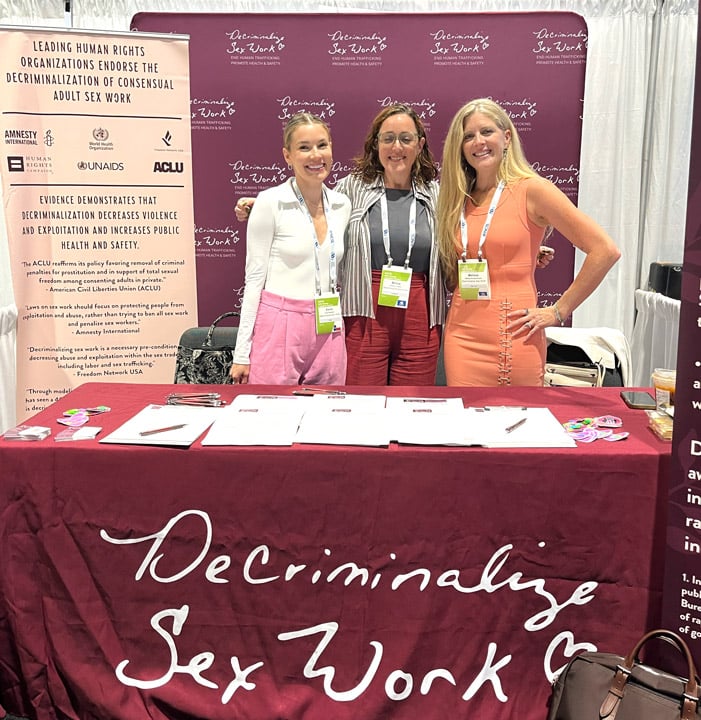
Decriminalize Sex Work Attends National Conference of State Legislatures
A New Resource Maps Sex Worker History
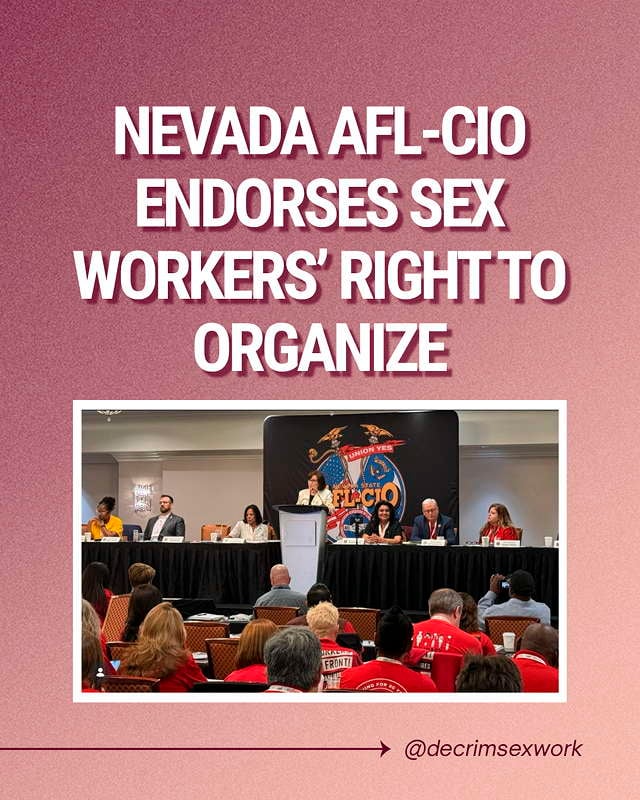
Historic Labor Rights Victory for Sex Workers in Nevada
Groundbreaking Study Will Examine Criminalization in Oregon
A Win With a Loss: SB45 Signed Into Law in Pennsylvania